Understanding the Armenian Genocide
What was the Armenian Genocide?
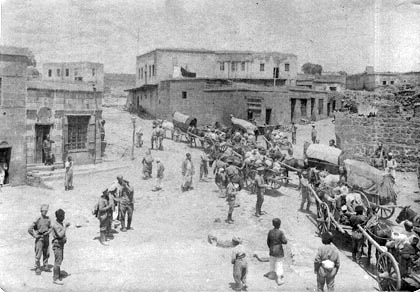
The Armenian Genocide was the systematic extermination of 1.5 million Armenians by the Ottoman government from 1915 to 1923. This horrific event involved forced marches, starvation, and mass killings, making it one of the first modern genocides. Its primary goal was to eliminate the Armenians from their homeland in eastern Anatolia.

Key facts: who, when, and where
The genocide was orchestrated by the Young Turk government of the Ottoman Empire, primarily starting in 1915, though precursors began earlier. The events largely unfolded across Ottoman Turkey, particularly in Anatolia and the Syrian Desert where many Armenians were deported. This systematic campaign led to an estimated 1.5 million deaths.
Impact and significance
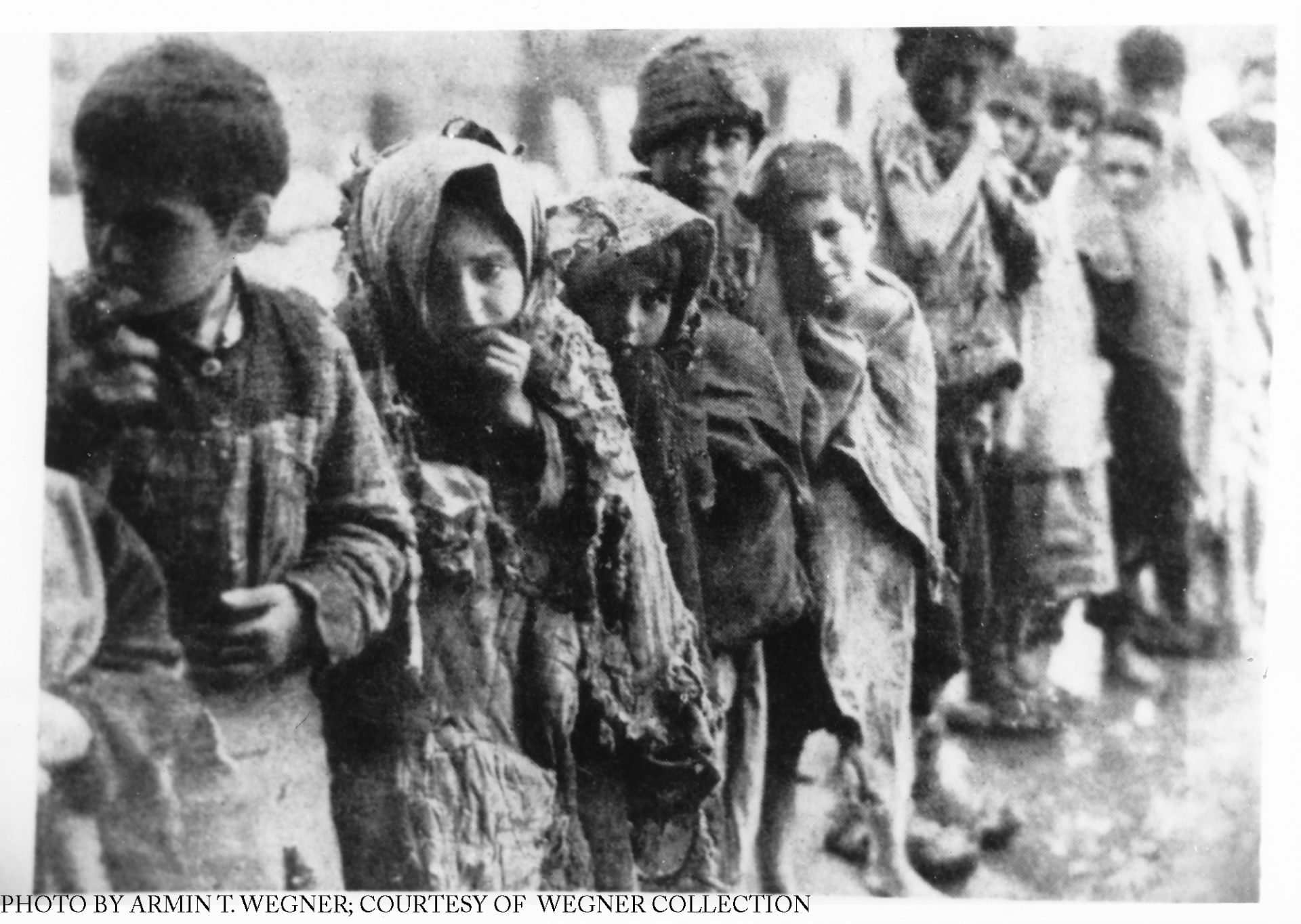
The Armenian Genocide holds profound historical significance as a foundational case study of genocide, influencing the coining of the term "genocide" itself. Its devastating impact on the Armenian people, including massive loss of life and forced displacement, continues to shape their identity and history. Understanding this event helps us recognize and prevent similar atrocities.
"The Armenian Genocide is not just a chapter in history, but a profound lesson in humanity's capacity for cruelty and resilience."
Evan W, Student Researcher
Create Your Own Website With Webador